
- Key Takeaways
- RV Resort Living Reality Check
- Critical Factors Before You Commit
- Seasonal Versus Year-Round Stays
- The Exit Strategy Reality
- Essential Pre-Move Evaluation Checklist
- Discover Willowbend Resort
- Conclusion
- Frequently Asked Questions
- Is RV resort living a realistic long-term option for retirees?
- What should retirees evaluate before committing to an RV resort?
- How do seasonal and year-round RV resort stays compare for retirees?
- What is an “exit strategy” for RV resort living, and why is it important?
- How can retirees evaluate an RV resort before moving in?
- What makes a place like Willowbend Resort appealing for retirees?
- Are RV resorts cost-effective compared to traditional retirement communities?
Key Takeaways
- While RV resort living allows for flexibility and travel, it requires adjustment to more compact living, on-premise amenities, the elements, and constant upkeep. Before you commit, envision your daily life and how it will function in an RV.
- A prudent examination of your budget, health care access and ease with transition will guide you if RV resort living can be sustained. Do a health and safety budget, map out local medical services and discuss with family and/or advisors ahead of time.
- You need to know all the associated financial costs — resort fees, insurance, utilities, emergency repairs, etc. Contrast these costs with conventional accommodation and you’ll be able to determine if RV resort living really suits your extended budget.
- Making small spaces efficient is a major component of RV life, particularly when you’re sharing tight spaces with a spouse or dog. Testing short trial stays can uncover if you can handle the limited storage, privacy, and daily routines.
- Decide whether a seasonal or year-round stay makes sense based on climate, social preferences and total costs such as off-season storage or second housing. A plan for your reservations and travel grounded in the calendar helps you align your RV lifestyle with your retirement goals.
- Planning your exit strategy and employing a detailed pre-move checklist give you peace of mind if your situation evolves. Try some trial visits at places like Willowbend Resort, check out legal and registration issues, and remain flexible in the conventional housing world.
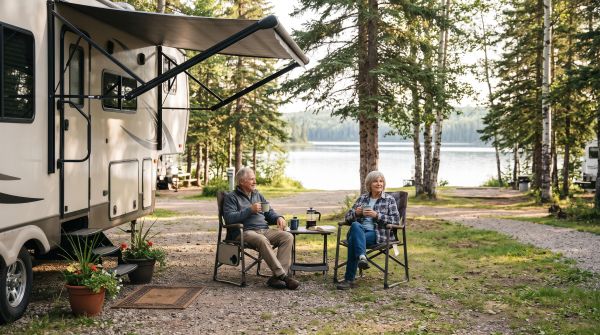
RV resort living for retirees is a lifestyle in which seniors live either full or part-time in thoughtfully designed RV parks that provide amenities, services, and a sense of community. Most of these resorts are located close to beaches, lakes, or regions with a mild climate, allowing retirees to bask in warm weather and spend time outdoors for a majority of the year. Many parks have added pools, fitness rooms, walking paths, and social clubs as people stay active and make new friends. Some have long-term leases, storage, and security for those on fixed incomes or moving down from a house. In the following sections, the guide dissects costs, daily life, advantages, disadvantages, and advice for selecting the best RV resort.
RV Resort Living Reality Check

RV resort living can seem perfect from the outside, especially in popular destinations like Waters Edge RV Resort or Caliente Springs Resort. It only works if you know what living it for months and years feels like, not just on a two-week vacation. The fantasy of freedom, travel, and a reduced cost of living can be powerful, but it always neighbors real trade-offs that define your daily habits and ease.
Space is one of the initial huge transitions when moving to RV retirement communities. Living on wheels means smaller rooms, less storage, and thin walls. You could have laundry rooms, showers, and patio areas in common with a lot of other folks. A few of the long-term locals claim they didn’t think shared showers or limited hot water were a big deal until they moved in and it became a daily stress. If you love a big yard, a workshop, or a separate office, this lifestyle might feel cramped and claustrophobic, even in a nice resort like the best RV parks in the area.
Rules and stability count for more than folks realize when considering retirement communities in the southeast. A few RV parks limit stays to three to six months, and the policies do tend to shift without much notice. There are cities that say they won’t enforce a six-month limit, but another park down the road might warn you that if you don’t move your RV a few meters every few weeks, you’re getting evicted. For less healthy or mobile retirees, though, that can be hard and costly. This ever-present possibility of being told to move can make life on the road feel less permanent than a cramped apartment.
Health and basic services must have a clear plan, especially for those in RV retirement. RV air, water, and septic systems can pose health risks if filters fail, tanks leak, or vents clog. Maintenance and improvements require financial and temporal investment, and not every resort boasts talented assistance on location. Medical care and health insurance can be difficult if you cross state, provincial, or national borders. Some policies are strict about ‘home’ regions, so coverage for ongoing care could be an issue. At the same time, many people enjoy the social side: potlucks, shared hikes, and game nights build a sense of community and closeness to nature. Others discover that relentless social interaction, noise, or scheduled activities are exhausting. Personal preference for privacy, community, and stability usually determines whether the RV resort lifestyle feels like the right fit or not.
Critical Factors Before You Commit
Before you exchange a stationary home for an RV park, examine your tendencies with change, how mobile you really want your life to be, and if this arrangement complements your health, finances, and family support in the long run, especially in retirement communities in the southeast.
1. Financial Costs

Add up all front-end costs: RV purchase or upgrade, taxes, registration, and any tow vehicle. Consider resort pad rent at popular RV retirement communities, membership fees, and storage if you maintain a second vehicle, along with RV and health insurance. Note utilities that could be additional, like metered electricity, Wi-Fi enhancements, and propane.
Contrast this sum to what you shell out today for rent or a mortgage, property tax, and home utilities. For certain retirees, a cheap RV and middle-of-the-road RV park trump urban dwellings. In fashionable beach or ski resorts, high season nightly or monthly rates can come out above a small flat, especially at coastal Georgia RV resorts.
Establish a repair fund for breakdowns, roof leaks, new tires, and appliances. Even relatively small problems accumulate over a course of years. Study each resort’s contract, including cancellation rules, deposit terms, refund policies, and penalties for leaving early or changing dates.
When comparing RV resort living with traditional housing, include seasonal RV rental rates in your budget alongside utilities, insurance, maintenance, and other recurring expenses.
2. Healthcare Access
Consider proximity in kilometers to hospitals, clinics, and pharmacies from each resort you look at. Make sure they have 24/7 emergency care in a reasonable drive and that ambulance service really covers the area!
If you’re in resorts that pack out in high season, inquire about how busy local clinics get and if the waiting times increase. Develop a list of nearby doctors, dentists, and specialists and have their phone numbers and languages spoken accessible.
Retirees should also review Alberta health coverage and benefits to understand available healthcare programs, insurance coverage, and support services before relocating.
If you need ongoing medical support, use the Alberta Find a Provider directory to search for family doctors, nurse practitioners, and clinics accepting patients in your preferred community.
3. Living Space
Check out the real floor space of various RV models, then put it next to your own home and see how much you have to scale down. Walk with a tape measure and envision daily activities, such as cooking, hobbies, and work calls.
Make a downsizing checklist for clothes, books, tools, décor, and more. Want to maximize storage? Use clear bins, vertical shelves, and under-bed space.
Find out if you and a spouse or a pet can cohabitate in one small room without going stir crazy. If one of you is introverted, schedule your quiet nooks, even if it’s a patio chair beneath an awning.
4. Maintenance Demands
RV resort living needs steady care: roof checks, seal upkeep, tire pressure, battery health, and slide-out care for the vehicle. Plus, basic yard or pad tasks like sweeping, small repairs, and keeping hoses in good shape. You need to think about the site itself: length and width of the pad so your RV fits with room to walk, turning space to get in and out, and enough tree clearance to avoid roof or slide damage.
Be truthful about your power and abilities. Scaling up a ladder or crawling beneath the rig is not something every person can do. Create a basic routine maintenance schedule and maintain a handy toolbox for loose screws, minor leaks, or fuses.
Set aside funds for hired assistance with complicated tasks like air conditioning work, stuck slide mechanisms, or seasonal services like deep cleaning and winter prep. Some resorts have mobile RV technicians that come to the park, but they can be expensive.
5. Social Dynamics
Resorts, such as lakeshore seniors rv resort, typically possess a distinct social style. Some are silent and secluded, while others buzz with activity, featuring scheduled activities, communal dinners, and excursions. To find the best RV retirement communities, read reviews, check out activity calendars, and, if possible, visit for a week to experience the day-to-day feel.
See if the majority of guests are retirees, multi-generational families, or weekend warriors. This molds noise, conversations, and accessibility to individuals with similar plans and energy.
Look for ways to join in that fit you: walking groups, fitness classes, card nights, language exchanges, or volunteer projects. At the same time, consider boundaries. At close proximity, you might have to deny drop-in visitors or daily group excursions in order to safeguard nap or family time.
Seasonal Versus Year-Round Stays
This decision impacts your daily schedule, expenses, and community in the best RV retirement communities.
| Aspect | Seasonal Stays – Pros | Seasonal Stays – Cons | Year-Round Stays – Pros | Year-Round Stays – Cons |
|---|---|---|---|---|
| Climate & Comfort | Pick warm winters, cool summers; avoid extremes | Need to move or store RV off-season | One setup; no repeated moving | May face heat waves, storms, or cold snaps in one place |
| Lifestyle & Routine | Variety of places and activities; flexible timing | More planning, logistics, and travel fatigue | Stable routine; strong sense of home and habit | Can feel monotonous for those who like change |
| Community & Social Life | Meet new people often; broad network | Harder to build deep, long-term ties | Deeper bonds with neighbors; join local groups year-round | Social circle may shrink in quiet seasons |
| Finances | Can chase lower shoulder‑season rates | Pay for storage and/or second residence | Easier budgeting, long‑stay discounts at some resorts | Locked into local price level all year |
| Logistics | Freedom to follow events or family needs | More complex reservations and travel calendars | Less planning; single home base | Harder to travel often without giving up your site |
Seasonal Living
Seasonal RV living is a popular choice among retirees, allowing them to stay at an RV park for a fixed stretch, usually three to six months, before moving on. Many take advantage of this lifestyle to winter in warmer destinations, such as coastal Georgia RV resorts, where the temperature hovers around 20 to 25 degrees Celsius, and then spend summers in milder areas. This pattern not only eases day-to-day life on joints and energy but also opens up a variety of activities: winter in a desert resort might center on hiking and cycling, while a summer stay at lakeshore RV retirement communities may focus on lakes, trails, and local festivals.
This model generally suits individuals who still desire lots of travel. You can hop from charming coastal towns to national park gateways and countryside resorts, timing your stays around family visits or festivals. However, the catch is planning. You need a calendar for booking the best RV parks months in advance, keeping track of check-in/check-out dates, and identifying where to find a short-term park or boondocking option.
Seasonal stays can be expensive. If you keep a house or apartment, you budget for dual living: rent or mortgage, plus monthly resort fees, plus travel fuel. If you don’t maintain a second home, you’ll require off-season RV storage, which varies from simply outdoor lots to indoor, climate-controlled edifices. Both come with a cost and impact the accessibility of repairs in between seasons.
Year-Round Living
Year-round RV resort living focuses on one main park where you reside most or all of the year. This lifestyle is particularly appealing to retirees who prefer a predictable schedule and a stable circle of friends to perpetual wandering. In these RV retirement communities, you develop long-term relationships with fellow residents, participate in resident committees, and attend regular events, from weekly yoga sessions to book clubs.
Climate enters the picture, especially in popular destinations like the southeast. In warmer areas, you could encounter long hot spells over 30 °C, so insulation, awnings, shade trees, and efficient air conditioning are important. Conversely, in freezing regions, you prepare for frost, maybe even snow, by skirting the RV, using heated water hoses, and verifying that the resort provides winter maintenance such as snow clearance, safe walkways, and dependable power backup. Amenities transition by season, with pools or outdoor bars bustling in high season, while craft rooms, libraries, and fitness centers gain prominence when the weather keeps people inside.
The intervening off-season remains hushed, either tranquil or lonely. Others have loved the quiet and the opportunity to become better acquainted with a tighter circle. Some find the same view and small social calendar boring after a few years. Rules matter more when you stay long term. You establish documented rules on cabins, mail delivery, maximum guests and ages, and how long you can stay put. These guidelines determine whether the resort becomes a home base or a restrictive cage.
From a financial standpoint, year-round stays can help make costs more predictable. Most resorts have monthly or yearly rates that are less per night than seasonal stays, and you skip storage fees and frequent long-distance moves. You sacrifice some flexibility in pursuing different price points or climates, so it really depends on whether consistency or diversity is more important to you.
The Exit Strategy Reality
RV resort living can serve retirees beautifully, especially in the context of best RV retirement communities, yet it needs to nestle within a defined exit plan, not supplant it. Exit Strategy reality Health, finances, or family needs can change fast, and a written path for “what next” keeps you from making rushed choices when life shifts. For those considering options like the Waters Edge RV Resort or other popular RV parks, having a solid plan is crucial.
A fundamental exit strategy details what you’ll do if you can no longer road trip beyond a few miles, resort fees become too expensive, or you just want more room or consistency. Others go from full-time RV living to a park model, a tiny home, or a small apartment. Some retirees explore organized choices, like the 11 Escapee Club Co-Op Parks, which operate as separate businesses and provide a potentially more sustainable foundation with a network that understands RV living. Many retirees workamp for a few years first to reduce expenses and “try out” various areas before they settle on a more permanent arrangement, which can include RV retirement communities in the southeast.
Maintaining connections to the conventional real estate market provides you additional exits. That could involve maintaining a small condo you lease, keeping your contact information in local housing pools, or monitoring rates in a couple of target towns that you might want to settle down in later. Others entertain the thought of purchasing a lot and constructing a house, or remaining in an RV or tiny home, and calculate the figures for each scenario. One individual saved approximately 18 percent by selling a bigger house and downsizing, while another attempted a 10 percent savings by acting as their own general contractor on a build, subcontractors and all. Depending on local prices and your own abilities, results may differ.
An exit strategy needs to include your RV or motorhome as well. Mark its age, probable resale value, and how demand appears for that model. Some swap a big motorhome for a smaller van, then move into a flat. Make note of the process to sell, consign, or store the rig and if a long-term lot you purchase can be rented out when you’re not there. Check in on the plan once a year so the numbers still reflect your actual budget and health.
Essential Pre-Move Evaluation Checklist
A good checklist converts a big life transition into a series of smaller moves. For seniors relocating to an RV resort, it can reduce anxiety, keep things on track and facilitate an easy transition into this lifestyle.
- Confirm dates, documents, and resort details
Verify move-in date with resort a few months in advance. Request a detailed list of monthly fees, which services are covered, and additional fees for guests, storage, Wi-Fi, or utilities. Ask for the resort map and, if available, your exact pad or site number. Save key documents in one folder: ID, medical records, insurance policies, RV title, and any resort agreements or contracts.
- Match your belongings to the actual space
Review the resort’s lot size, storage availability, and policies regarding outdoor accessories, awnings, or additional vehicles. Measure important spaces in your RV including the bedroom, kitchen, and storage bays. Let that help you map out what to bring and what to leave or donate. Prioritize the bedroom, bathroom, medications, and everyday items so the fundamental rhythm works from day one. Throw in a couple favorites — photos, a worn chair cushion, the usual morning mug — to maintain family ritual and comfort.
- Health, safety, and insurance checklist
Take stock of all regular medications, doctors, and local clinics or hospitals around the resort. Check how you will refill prescriptions and how your health insurance works there. Update RV and auto insurance to reflect resort living, not just travel. Check coverage for personal belongings inside the RV. Update your vehicle registration and driver’s license if you change your legal address, and verify your mailing address—resort, family member, or mail service—is up to date with banks, benefits, and subscriptions.
- Trial stay and social transition
Reserve a temporary rental or trial stay at the very same resort or a comparable one. Utilize that time to test noise levels, internet quality, and what it’s like to walk the grounds at night. Observe how staff engage guests and how vibrant the community is. During or after the trial, practice the social side of the move: introduce yourself to neighbors, join at least one group activity, and see if the pace of life suits you. Go over the entire checklist with a spouse or trusted friend to catch oversights you might miss on your own.
Before finalizing your move, review the resort’s RV lot registration requirements so you understand the registration details and documentation needed for your stay.
Discover Willowbend Resort

About Willowbend Resort, it is a seasonal RV destination in Alberta that caters to retirees seeking a tranquil base without sacrificing comfort, nature, or connectivity. Nestled by the lakeshore, it is conveniently located near several towns and cities for supplies and medical care, yet far enough to provide a peaceful retreat from traffic and noise. This makes it a perfect choice among the best RV retirement communities for those looking for serenity.
The resort layout focuses around the lake. Much of your daily routine can be water oriented. Guests can stroll on the shoreline trails, kayak or canoe in serene waters, or take a dip when the weather permits. Willowbend Resort offers the most beautiful morning lake views accompanied by mist, birds, and the potential for deer or waterfowl to be spotted by the shore. For a retiree who likes to photograph, paint, or just sip coffee in silence, the lake lends a calm background that shifts with light and season.
Willowbend is designed for extended RV stays, making it an ideal choice for snowbirds looking for a consistent “home base.” Many guests opt for extended or annual bookings, leaving their RVs on site year-round, which helps reduce towing expenses and anxiety. The amenities include essential conveniences such as power and water hook-ups, communal washrooms and showers, and areas for outdoor cooking and gatherings. Recreation options often feature open green spaces and trails perfect for leisurely strolls, assisting retirees in maintaining a gentle, consistent level of activity, which is crucial in retirement communities in the southeast.
It’s family-friendly with plenty of space for kids of all ages to visit their grandparents for the holidays, and the lakeside arrangement can accommodate couples, multi-generational families, and solo retirees. Pets are typically welcome for lakeside strolls or serene nights at the site, with resort guidelines regarding leashes and waste removal. As policies, site types, and seasonal openings can change, readers should reach out to Willowbend Resort directly to verify current availability, long-stay options, pet rules, and any age limitations. For the detail-oriented, they can request a virtual tour or make a quick stop in person to verify site size, walkability, and overall noise before booking a longer stay.
Retirees planning an extended stay can explore the available RV resort amenities to see which facilities and conveniences can make everyday life at Willowbend more comfortable.
Conclusion
RV resort life suits certain retirees quite nicely. It is ideal for folks who enjoy uncluttered openness, a tight community, and some seasonal variety. It does not solve money stress or health requirements, but it can reduce certain expenses and increase daily happiness.
Short trial stays provide the best insight. A month in high season tells a great deal. Chat with year-round residents. Ask straight-up questions about fees, rules, noise, and care. Walk the grounds early in the morning and late at night.
As a next step, arrange a brief vacation at a resort such as Willowbend. Make it a true experiment of your life there, not a tourist detour.
Frequently Asked Questions
Is RV resort living a realistic long-term option for retirees?
RV resort living can work long term if you plan, especially in the best RV retirement communities. Compare overall expenses, health requirements, and lifestyle compatibility at various RV parks. Tour a bunch of resorts, chat up the residents, and test with a mini-stint before committing.
What should retirees evaluate before committing to an RV resort?
When considering RV retirement communities, evaluate expenses, healthcare availability, and the social environment. Always verify restrictions such as age limits and stay duration at the campground or RV park, and read contracts and park rules thoroughly before signing.
How do seasonal and year-round RV resort stays compare for retirees?
Seasonal visits to the best RV parks offer flexibility and weather chasing, while year-round stays in RV retirement communities provide roots, deeper friendships, and routine. Ultimately, it comes down to health needs, budget, weather tolerance, and distance to family, influencing retirees’ choices between seasonal resorts and year-round living.
What is an “exit strategy” for RV resort living, and why is it important?
An exit strategy is a well-defined plan for what happens when RV living doesn’t work out, especially in popular destinations like RV retirement communities in the southeast. It includes financial support, living options, and family assistance, ensuring a smooth transition when your health or mobility changes.
How can retirees evaluate an RV resort before moving in?
- Employ a checklist in depth.
- Go at different times of the year.
- Examine noise, lighting, and security.
- Test cell service and internet.
- Inquire with residents regarding management and fees.
- Examine amenities, laundry, and restrooms.
- Take into account distance to hospitals, shops, and emergency services.
What makes a place like Willowbend Resort appealing for retirees?
Resorts such as Willowbend provide age-appropriate amenities and beautifully manicured grounds, making them ideal for those seeking the best RV retirement communities. They might offer planned activities, wellness programs, and caring personnel, ensuring a fulfilling lifestyle in retirement.
Are RV resorts cost-effective compared to traditional retirement communities?
They can be, but it depends on various factors. When comparing site fees, utilities, insurance, maintenance, and RV depreciation in retirement communities like the best RV retirement communities, a careful budget will show you if RV resort living really is less expensive.